
Ammolite Insights: April 23, 2026
CYBERSECURITY NEWS, INSIGHTS & ANALYSIS
Ammolite Security Recognized in U.S. Freedom 250 Initiative

Ammolite Security has been recognized by the U.S. Embassy in Canada as part of the Freedom 250 Initiative, celebrating organizations strengthening Canada-U.S. innovation and economic ties. This recognition highlights our work supporting cybersecurity, defence, and critical infrastructure across borders.
As digital threats continue to evolve, cross-border collaboration is more important than ever, and we're proud to be part of that effort.
In The News

ZionSiphon Malware Targets ICS in Water Facilities
The malware is configured to operate on systems associated with Israeli water treatment and desalination plants.

CISA Adds One Known Exploited Vulnerability to Catalog
CISA has added one new vulnerability to its Known Exploited Vulnerabilities (KEV) Catalog, based on evidence of active exploitation.
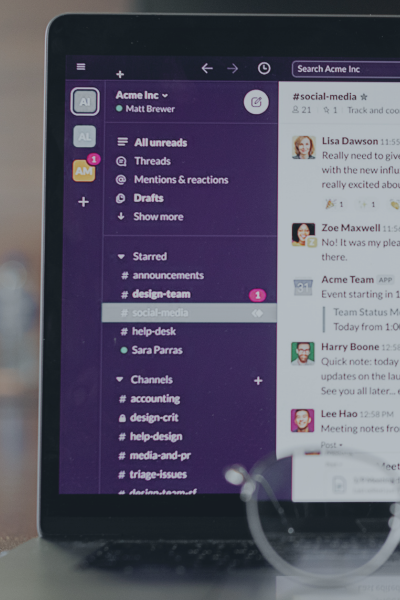
A Fake Slack Download is Giving Attackers a Hidden Desktop on Your Machine
A trojanized Slack download from a typosquatting website is giving attackers something most users wouldn’t even know to look for: a hidden desktop running on their machine.

WEF Urges Intelligence Sharing as Port Cyber Threats Outpace Siloed Defences
New analysis published by the World Economic Forum (WEF) argues that as posts become increasingly digitized and interconnected, their exposure to cyber risk is no longer confined to individual operators but extends across maritime ecosystems.

Strengthen Your Cybersecurity Processes with Expert-Led Tabletop Exercises
Cyber incidents are evolving faster than ever, and the stakes continue to rise. IBM's 2025 Cost of a Data Breach Report found that the U.S. average breach cost has reached a record $10.22 million, with critical infrastructure sectors among the hardest hit.
Ammolite Security's expert-led tabletop exercises give your organization a proactive way to strengthen readiness. Tailored for oil and gas, energy, and infrastructure sectors, these sessions simulate real-world threats and help leadership and IT teams identify gaps, improve response protocols, and make high-impact decisions before a breach occurs.